
For families caring for an elderly parent, the most worrying hours are often the quiet ones. A person who is unsteady on their feet, recovering from surgery or living with dementia may wake at night and try to walk to the bathroom alone. Falls at this moment are common, and they can lead to fractures, hospital stays and a loss of confidence that is hard to recover.
The problem is rarely that no one is there to help. It is that the caregiver is asleep in another room and does not know the person has got up until it is too late.
What a bed rise alarm does
A bed rise alarm watches the bed and raises an alert the moment the person starts to get up, not after they have already fallen. That gives the caregiver the few seconds they need to reach the room and support the person as they stand and walk.
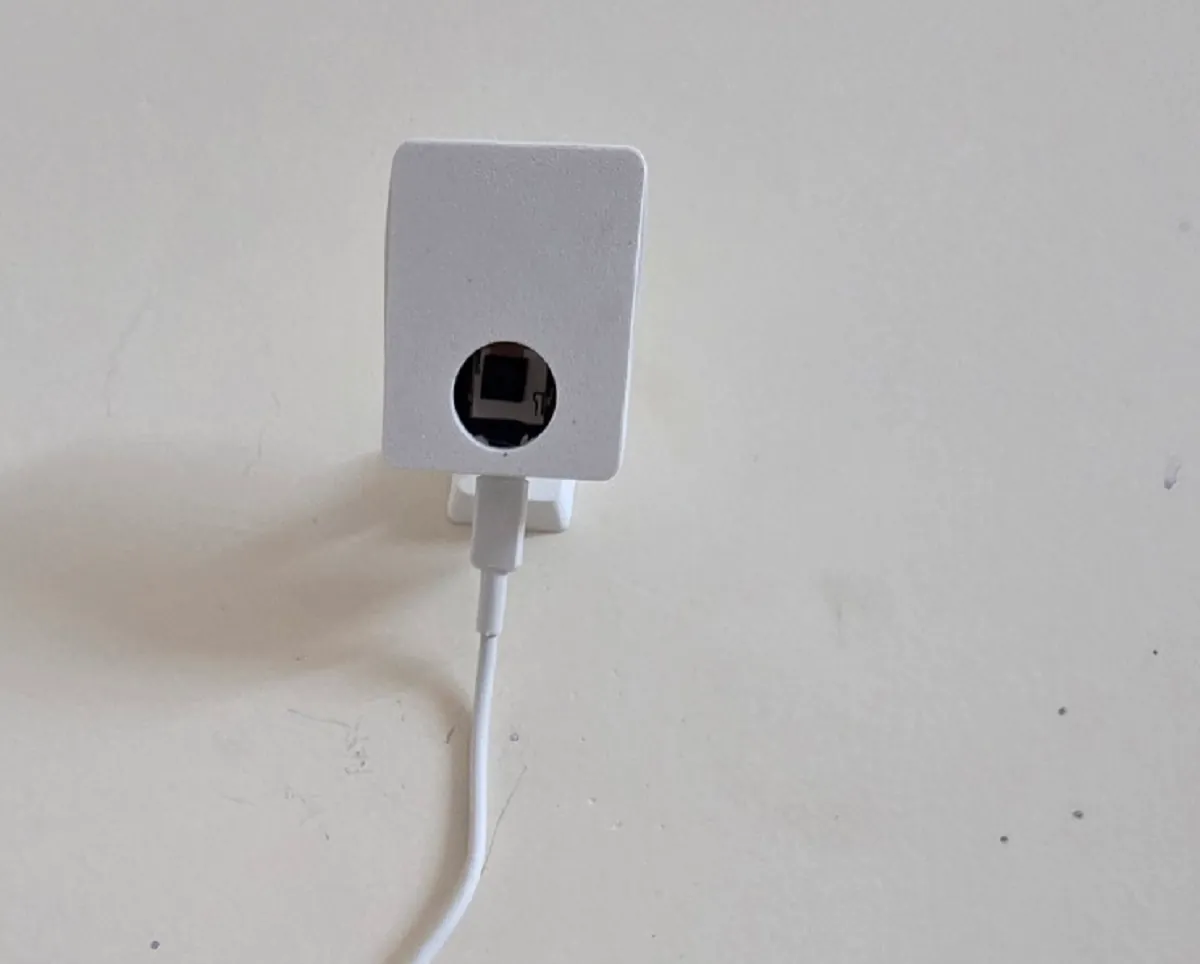
The BTREE Smart Cordless Bed Rise Alarm works in two parts:
- Sensor unit: an intelligent thermal sensor fixed on the wall, facing the bed. It detects when the sleeping person tries to get up, whether they mean to or not.
- Receiver unit: an audio-visual alarm with a siren and flashing light, kept wherever the caregiver sleeps or works, such as a bedroom, the nurses’ station or a staff room.
When the sensor detects movement out of bed, the receiver sounds the alarm. The caregiver wakes, goes to the room, and helps the person walk safely.
Why a wall-mounted sensor instead of a bed mat
Pressure mats placed under the mattress or on the floor are another option, but they have drawbacks: they wear out, slide out of place, can be uncomfortable, and often alert only once the person’s weight has already left the bed.
A wall-mounted thermal sensor does not touch the person or the bed. There is nothing to wash, nothing to trip over, and nothing for a confused person to pull away.
No internet, no wiring
Many homes in Kerala and across India do not have reliable Wi-Fi in every room, and care homes do not want to run cables across the floor. The BTREE bed rise alarm is designed around this:
- The sensor and receiver use their own wireless link, so no internet connection or router is needed.
- There are no wires between the two units.
- It runs on a standard 5 V mobile charger or a 5 V power bank.
- Setup is done once using a mobile phone app.
Where it helps most
- At home: for an elderly parent who wakes at night, someone recovering after a hospital stay, or a family member with dementia who may wander.
- Hospitals and nursing homes: one receiver at the nurses’ station means staff hear the alert even when they are not in the room.
- Old age homes and care facilities: fewer night-time falls, and less need for constant checking on residents who only need help occasionally.
Tips for setting it up
- Mount the sensor facing the bed at the height recommended in the instructions, with a clear view of the person lying down.
- Keep the receiver where the caregiver actually sleeps. If the alarm is too far away to wake them, it will not help.
- Test it every night for the first few days. Have someone sit up in bed and check that the receiver sounds every time.
- Keep a spare power bank charged, in case of a power cut.
- Combine it with other simple steps: a night light, a clear path to the bathroom, and non-slip footwear.
The bottom line
A bed rise alarm will not replace a caregiver, but it lets one caregiver protect a person through the night without staying awake. For many families, that is the difference between a parent staying safely at home and needing full-time care.
The BTREE Smart Cordless Bed Rise Alarm is available in the BTREE Shop with free shipping across India. For hospitals and care homes needing several units, contact us for a quotation.