
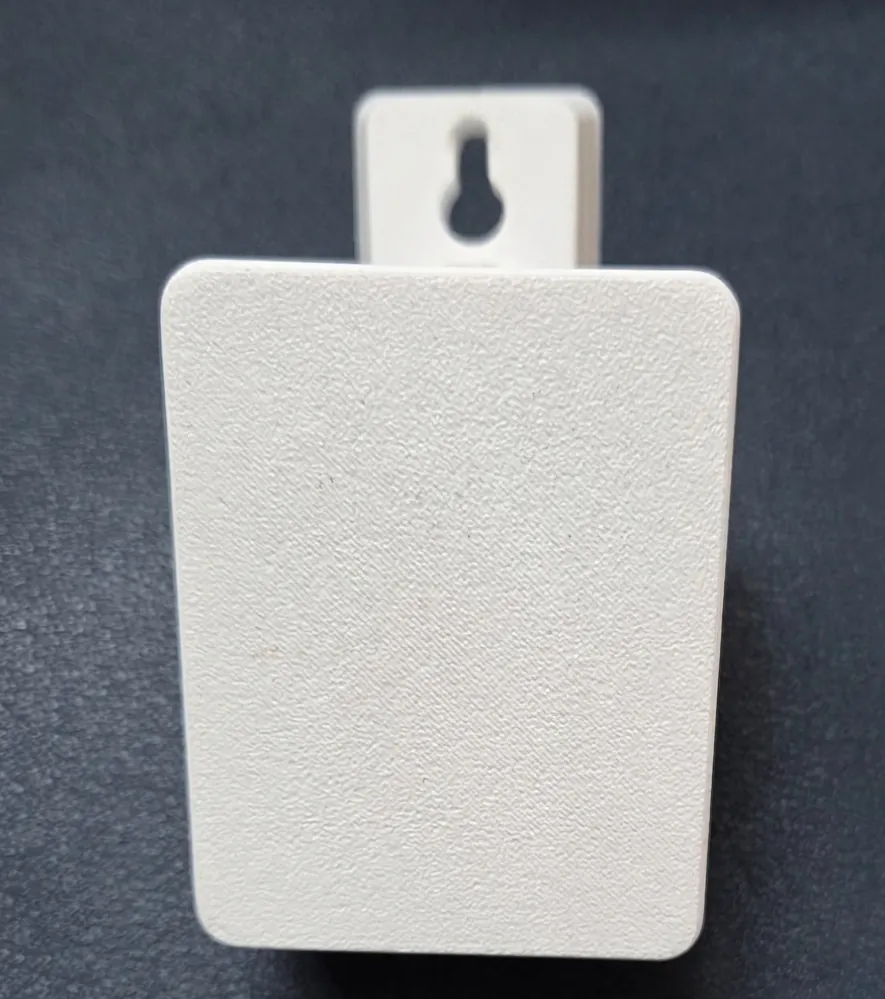
Automatic lights and air conditioners save energy only if they know when a room is really empty. Most of us have sat still in an office or a washroom and had the lights switch off on us. That happens because the sensor was detecting motion, not presence.
How a PIR motion sensor works
A PIR (passive infrared) sensor detects changes in heat as a warm body moves across its field of view. It is simple, low-cost and works well for:
- corridors, staircases and porch lights,
- security alarms that need to detect someone walking in,
- any place where people are always moving.
Its weakness is that it needs movement. A person reading, working at a computer, sleeping or sitting in a meeting may not move enough, and the PIR decides the room is empty.
How an mmWave presence sensor works
A millimetre-wave (mmWave) sensor sends out a low-power radio signal, at 24 GHz in BTREE’s sensor, and measures what reflects back. It can detect very small movements, such as breathing or the slight shifts of a person sitting still.
The result is a sensor that knows someone is present, not only that something moved.
The problem with fans and curtains, and how zones solve it
Because mmWave sensors are so sensitive, a simple one may be triggered by a ceiling fan, a curtain moving in the breeze, or plants. The BTREE Smart Human Presence and Motion Sensor handles this with zones:
- The detection area is divided into 9 zones.
- Each zone can be tuned or switched off from a web page on your mobile phone.
- You turn off the zones where a fan or curtain moves, and the sensor detects only people in the zones you care about.
It is ceiling-mounted, with a range of up to 6 metres and a slim white circular housing that fits modern interiors.
Side-by-side comparison
| PIR motion sensor | 24 GHz mmWave presence sensor | |
|---|---|---|
| Detects | Movement of a warm body | Presence, including very small movements |
| Person sitting still | Often missed | Detected |
| Fans, curtains, plants | Usually ignored | Ignored when those zones are switched off |
| Best for | Corridors, stairs, security alerts | Offices, meeting rooms, bedrooms, washrooms, AC control |
| Cost | Lower | Higher |
Where a presence sensor pays for itself
- Offices and meeting rooms: lights and air conditioning stay on while people are working, and switch off when the room is really empty.
- Air conditioner control: air conditioning is often one of the largest electricity costs in a Kerala office or shop. Switching it off in empty rooms adds up quickly.
- Washrooms: no more lights going off on someone inside.
- Hotels and homes: automation that responds to whether a guest is in the room.
- Elder care: knowing whether someone is in a room, without a camera.
Which should you choose?
Use a PIR sensor where people always pass through and cost matters most. Use an mmWave presence sensor wherever people sit, sleep or work, and where you want automation to save energy without annoying anyone.
The BTREE sensor is available in the BTREE Shop. For offices, hotels or buildings needing several sensors connected to lighting and HVAC, contact us about a complete automation project.