
Most farm irrigation still runs on habit or a timer: the pump goes on every morning for a set time, whether it rained last night or not. That wastes water and electricity, and both overwatering and underwatering stress crops.
Smart irrigation turns this around. Instead of watering by the clock, it waters when the soil actually needs it.
The three building blocks
1. Soil-moisture sensing
A sensor placed in the root zone measures how wet the soil is. When moisture drops below a level suited to the crop, the system knows it is time to water. When the soil is wet enough, it stops.
2. Pump and valve control
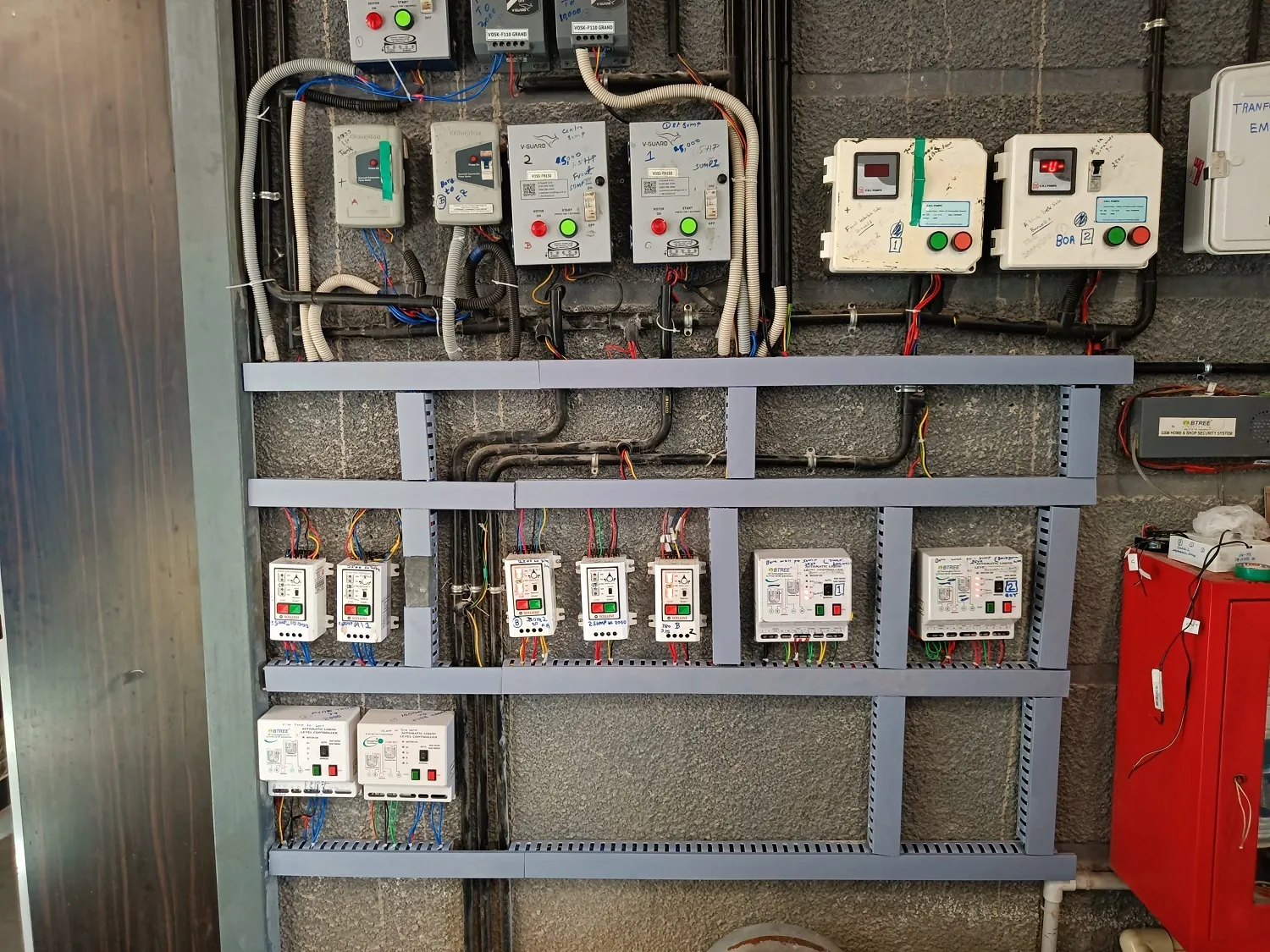
The controller switches the pump or opens valves automatically. BTREE builds water-level and pump controllers, including wireless versions, so a motor can be started and stopped without someone walking to the pump house. Automatic control can also protect the pump, for example by stopping it when a tank or well runs low.
3. Wireless field monitoring with LoRa
Farms are large, and Wi-Fi does not reach the far end of a field. LoRa (long range) is a low-power wireless technology designed for exactly this. BTREE’s LoRa field-monitoring units send sensor readings across the farm to a receiver, which passes the data to a cloud dashboard you can check on your phone.
What farmers gain
- Water savings: you water only when it is needed, which matters most in summer and in areas with limited groundwater.
- Lower electricity costs: the pump runs for fewer hours.
- Less labour: no more early-morning trips to switch the motor on and off.
- Healthier crops: steady moisture means less stress, especially for vegetables, bananas, coconut seedlings and plantation crops.
- Better decisions: a record of moisture and watering over the season shows what is working.
Drip and sprinkler: delivering water efficiently
Smart control works best with an efficient way of delivering water:
- Drip irrigation puts water directly at the roots and is ideal for rows of vegetables, fruit trees and plantations.
- Mini sprinklers suit nurseries, lawns and closely planted beds.
BTREE supplies mini drip units and mini sprinklers that can be connected to automatic control.
Is it only for large farms?
No. A small system with one moisture sensor and an automatic pump controller can make a real difference for a kitchen garden, polyhouse or nursery. Larger farms can add more sensors and LoRa units over time, and see every plot on one dashboard.
Getting started
- Start with your water source and pump: its power, distance from the field and how it is switched today.
- Pick one plot as a pilot and add a moisture sensor and controller.
- Compare water use and crop health with your usual method over a season.
- Expand to more plots with wireless monitoring.
BTREE designs and builds irrigation automation and LoRa monitoring systems in Thiruvananthapuram. Every farm is different, so contact us with your crop, field size and water source, and we will suggest a practical setup.